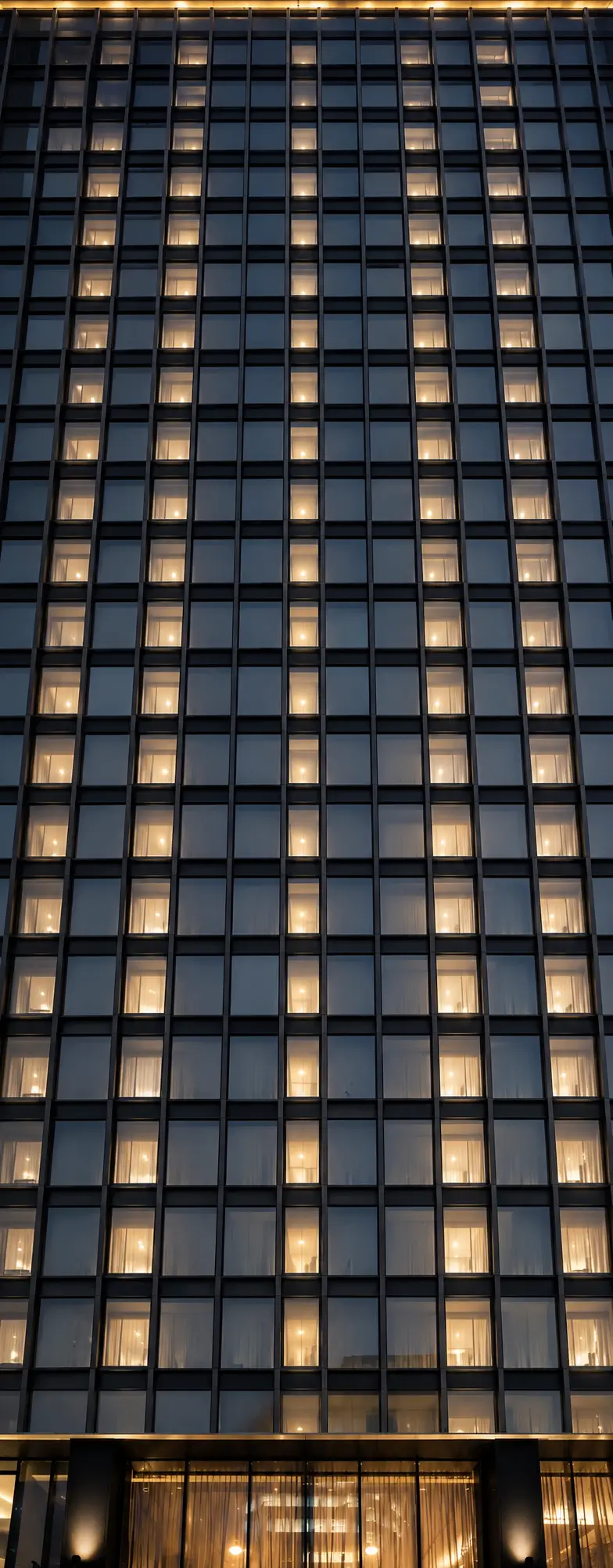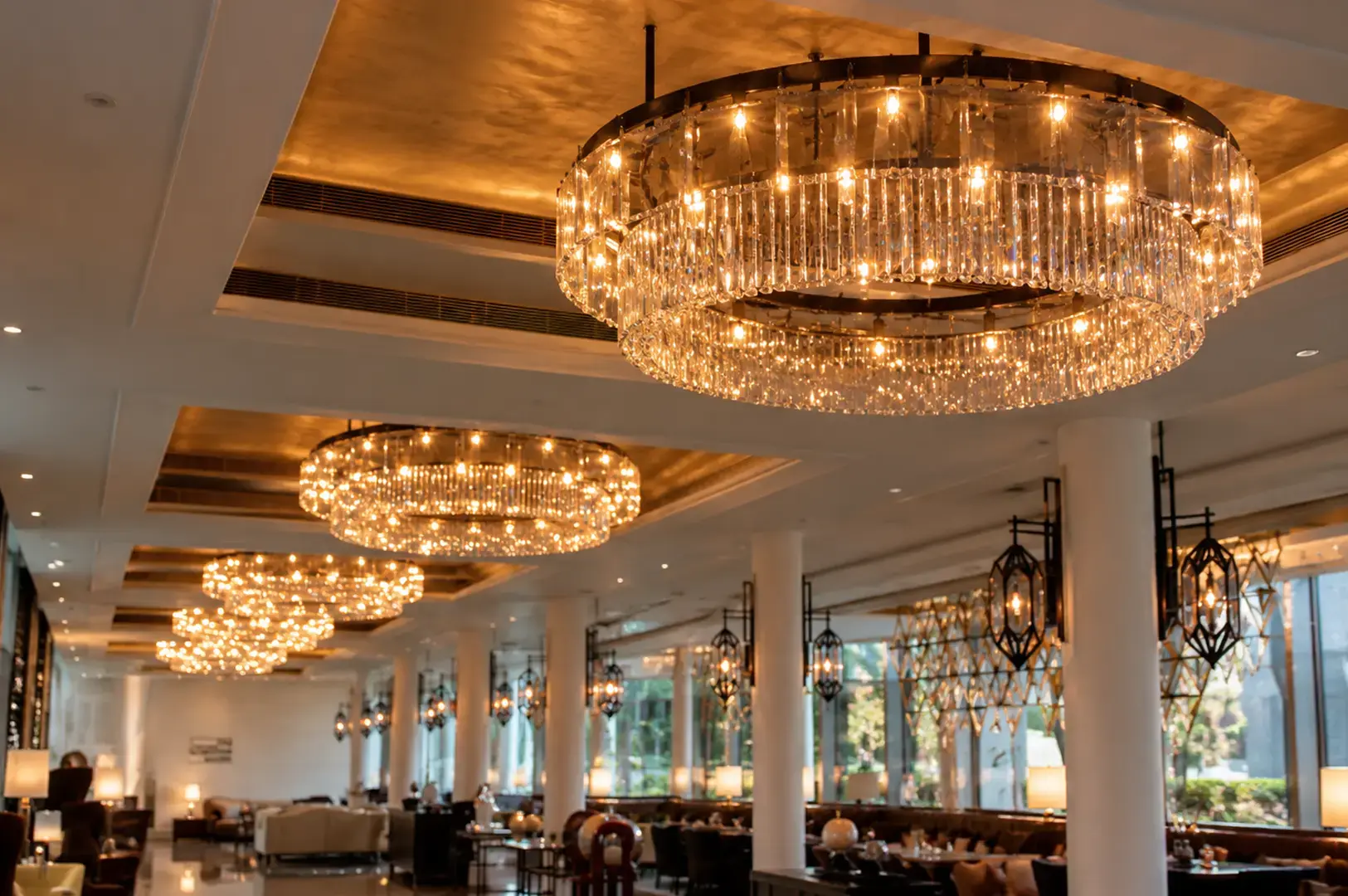
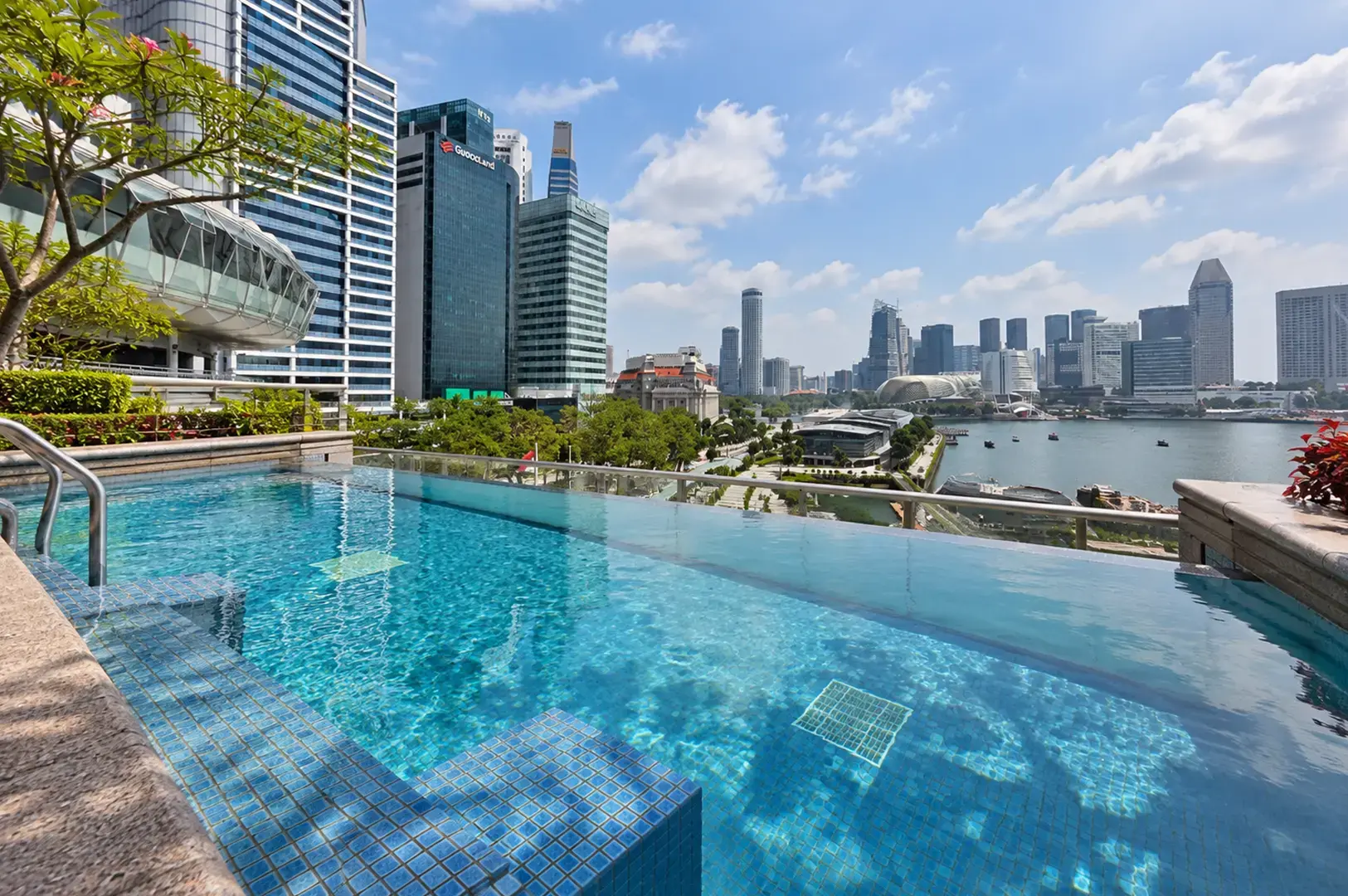
Early on, one of us booked a staycation almost entirely because of a rooftop pool photo. It looked great online. In reality, we checked in late, went out for dinner, and left before noon the next day. Nobody swam. We had paid for a facility we never used and overlooked the things that would have made the night better, like a quieter room and an easier breakfast.
That stay taught us a simple lesson: the most impressive hotel is not always the right hotel for you.
With so many hotels in Singapore, it is easy to get distracted by rankings, lobbies, and long lists of features. This guide covers how to choose a hotel based on the kind of break you actually want. We will walk through the types of hotels, what to check in a hotel room, which hotel amenities are worth it, and how to avoid surprises in the fine print.
Start With the Staycation You Want
Before comparing properties, decide the trip’s purpose to avoid booking regrets. A couple might prioritize a comfortable room, good restaurant, and relaxed breakfast, while a family may need a pool, suitable sleeping arrangements, and easy meals. Someone seeking rest may want a quiet room and a good bed. These different needs point to different types of hotels or accommodations, so choose based on your staycation’s purpose.
Pro Tip: Write down your two or three non-negotiables before you open a booking site. For example: “quiet room, bathtub, breakfast included.” Then filter every option against that short list. It takes about 10 minutes and saves hours of second-guessing.
Understand the Different Types of Hotels
Once you know your priorities, the different types of accommodation—hotel, apartment, hostel, or a room in someone’s house—become easier to sort.
A boutique hotel emphasizes character, design, and a sense of place. For example, The Warehouse Hotel offers heritage charm and varied room types, ideal for those seeking history and neighborhood feel over extensive facilities.
Resort-style properties focus on leisure with pools, outdoor spaces, and activities, suited for families or those planning to stay on-site.
Business-oriented hotels prioritize efficient access, workspaces, meeting rooms, and laundry services for corporate guests, often near transport hubs or the airport.
Luxury hotels offer personalized service, larger rooms, and extensive facilities, but may not suit guests seeking quiet or independence.
These categories overlap, so use them as a starting point to narrow down your options before comparing individual hotels.
What Really Matters in a Hotel Room
The hotel room is where you will spend a large part of your stay, yet it is often the detail people check least. We have made this mistake ourselves, booking a “Premier” category and assuming it meant noticeably more space.
Here is what we now check every time:
Floor area in square meters, not the category name
Bed configuration: king, queen, twin, sofa bed, or connecting rooms
Bathroom setup: bathtub, shower, or both
Windows and view: city, courtyard, or limited natural light
Maximum occupancy for adults and children
Comfort basics: air-conditioning, cleanliness, sound insulation, and bedding
Room labels can be misleading. The Clan Hotel Singapore lists a 24 sqm Deluxe Room, a 27 sqm Grand Deluxe Room, and a 31 sqm Premier Room. Suites usually command premium rates, so check if the extra space or layout suits your stay before paying more.
Consider how much time you’ll spend in the room. A compact room is fine if you’re out late, but for relaxing afternoons, more space and better light matter. Wellness rooms suit health-conscious travelers, and some smart rooms let you control lighting, temperature, or curtains via mobile apps. Pet-friendly hotel rooms generated $4.6 billion in 2025, reflecting growing demand for specialized stays.
Which Hotel Amenities Will You Actually Use?
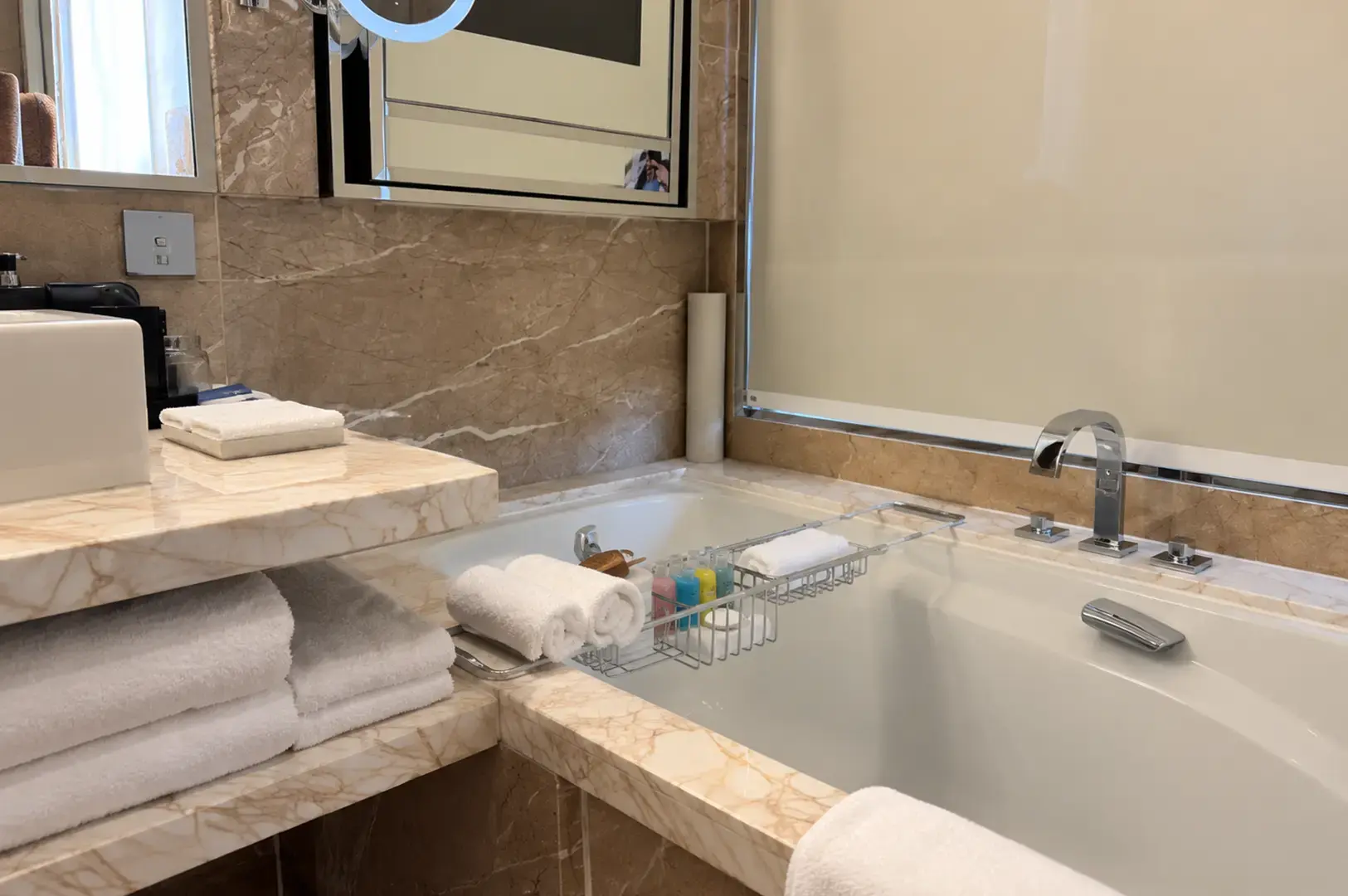
Hotel amenities play a key role in the guest experience, but only the ones you use matter. We separate them into two groups.
Essential amenities include reliable Wi-Fi, working air-conditioning, and decent bathroom basics, and you should judge their quality, not just whether they exist. These should be a given.
Premium amenities include pools, spas, gyms, executive lounges, and breakfast buffets. Their value depends entirely on your plans, and standout options can help create memorable experiences. For a relaxation-focused stay, a pool or spa may be worth the cost. For a food-focused stay, the hotel’s restaurants and breakfast matter far more.
Two things often catch guests off guard.
First, facilities may close for maintenance. For example, Village Hotel Sentosa’s Pamukkale Pool is closed from 18 August 2026 to 1 February 2027, but other pools remain open. Recent guest reviews often reveal such details missing from hotel photos. If a specific facility matters, check current notices first.
Second, advertised amenities may have restrictions. Marina Bay Sands’ SkyPark Infinity Pool is only for hotel guests with keycard access. Some facilities may be limited by room type, age, or hours.
Pro Tip: Look for a “notices” or “facility updates” section on the hotel’s website, or contact the hotel directly to confirm availability, hours, and extra charges. Also check the date of the last renovation to gauge room and facility condition.
Location, Dining, and the Overall Guest Experience
For a staycation, a great location means being close to our planned activities, not necessarily the city center. Our priorities can shift with the trip and seasonal events.
Orchard Road suits shopping and dining, Marina Bay offers attractions and skyline views, Sentosa is leisure-focused, and areas like Robertson Quay, Chinatown, and Tanjong Pagar are great for neighborhood walks and restaurants. These are general traits, not guarantees for every property.
We always check routes on Google Maps before booking. A hotel may appear near a train station on the map, but the walk could involve busy roads or uncovered paths. Street View helps us assess surroundings, especially if we will arrive at night or are traveling with family.
Dining matters as much as the room. We confirm if our preferred restaurant is open, requires reservations, includes breakfast for all guests, and if dining credits have restrictions.
Service impacts the guest experience before arrival. When emailing about room setup, dietary needs, or parking, we note how clearly the hotel responds. A transparent front desk and concierge usually mean easier dealings.
What Recent Reviews and Negative Reviews Can Tell You

Overall ratings rarely tell us enough, and filtering by ratings helps weed out poor hotel options before diving into individual reviews. A 4.5-star score doesn’t reveal if the room was quiet, check-in smooth, or pool crowded, so we avoid discovering a poor average score last minute.
When we read reviews, we focus on our priorities:
Start with the most recent reviews. Sort by newest first and check the last three to six months to reflect current staff, renovations, and facilities.
Search for our priorities. If we want rest, we look for noise, bedding, and air-conditioning comments. Bringing kids? We check pool access, extra beds, and breakfast.
Compare platforms. We check guest reviews on Google Maps alongside booking sites.
Look for patterns. One complaint is a data point; five similar ones show a trend.
As a quick filter, hotels rated 8+ are generally acceptable and clean, while 9+ is a stronger quality filter when narrowing options within budget. We also read some three-star reviews since they offer balanced detail beyond very positive or negative comments.
Negative reviews need context. An isolated slow check-in might not reflect daily service. But repeated, recent mentions of poor cleanliness or broken air-conditioning deserve attention. We also consider the source, as some issues reflect traveler expectations more than hotel condition.
Separating opinion from fact helps. A guest calling a room “small” might have expected more space, which we check against room sizes. Repeated reports of broken bathroom fittings signal real maintenance issues. Social media also helps with candid visuals and recent guest experiences beyond polished marketing photos.
Check the Fine Print for Hidden Fees Before Booking

Most hidden fees we’ve found are actually in the fine print we overlooked. Check the final price carefully, Singapore’s GST (9%) applies on top of service charges (usually 10%). Prices may or may not include these, so we watch out for double counting.
Compare package deals vs. room-only rates based on our plans. Booking direct can offer perks.
Before paying, we confirm cancellation policies, check-in/out times, breakfast coverage, occupancy limits, parking, deposits, and facility access rules.
Timing is key like Outpost Hotel Sentosa’s 3pm check-in and noon checkout, which leaves little time for activities. Early check-in or late checkout are bonuses, not guarantees.
Pro Tip: Plan your staycation around the guaranteed times. If the hotel offers a late checkout at the front desk, enjoy it, but do not schedule your lunch reservation around it.
Frequently Asked Questions
How do I choose a hotel for a Singapore staycation?Start with the purpose of your stay, then pick two or three must-haves. Compare rooms, amenities, location, and total cost against that list instead of chasing rankings.
Which types of hotels suit couples and families?
Couples often enjoy boutique or dining-focused hotels with comfortable rooms. Families usually do better with resort-style properties that offer suitable pools, flexible bedding, and easy meals.
What hotel amenities are worth paying extra for?
Only the ones you will use. A pool, bathtub, or included breakfast is worth it if it fits your plans; otherwise, put that money toward a better room or meal.
How can I spot hidden fees before booking?
Check whether the price includes service charge and GST, then read the cancellation, deposit, parking, and breakfast terms before paying.
Should I rely on recent guest reviews?
Yes, as one guide among several. Focus on recent patterns that match your priorities rather than the overall score.
Finding the Hotel That Fits You
Start with the purpose of your stay, then pick two or three must-haves. Compare rooms, amenities, location, and total cost against that list instead of chasing rankings.
Couples often enjoy boutique or dining-focused hotels with comfortable rooms. Families usually do better with resort-style properties that offer suitable pools, flexible bedding, and easy meals.
Only the ones you will use. A pool, bathtub, or included breakfast is worth it if it fits your plans; otherwise, put that money toward a better room or meal.
Check whether the price includes service charge and GST, then read the cancellation, deposit, parking, and breakfast terms before paying.
Yes, as one guide among several. Focus on recent patterns that match your priorities rather than the overall score.
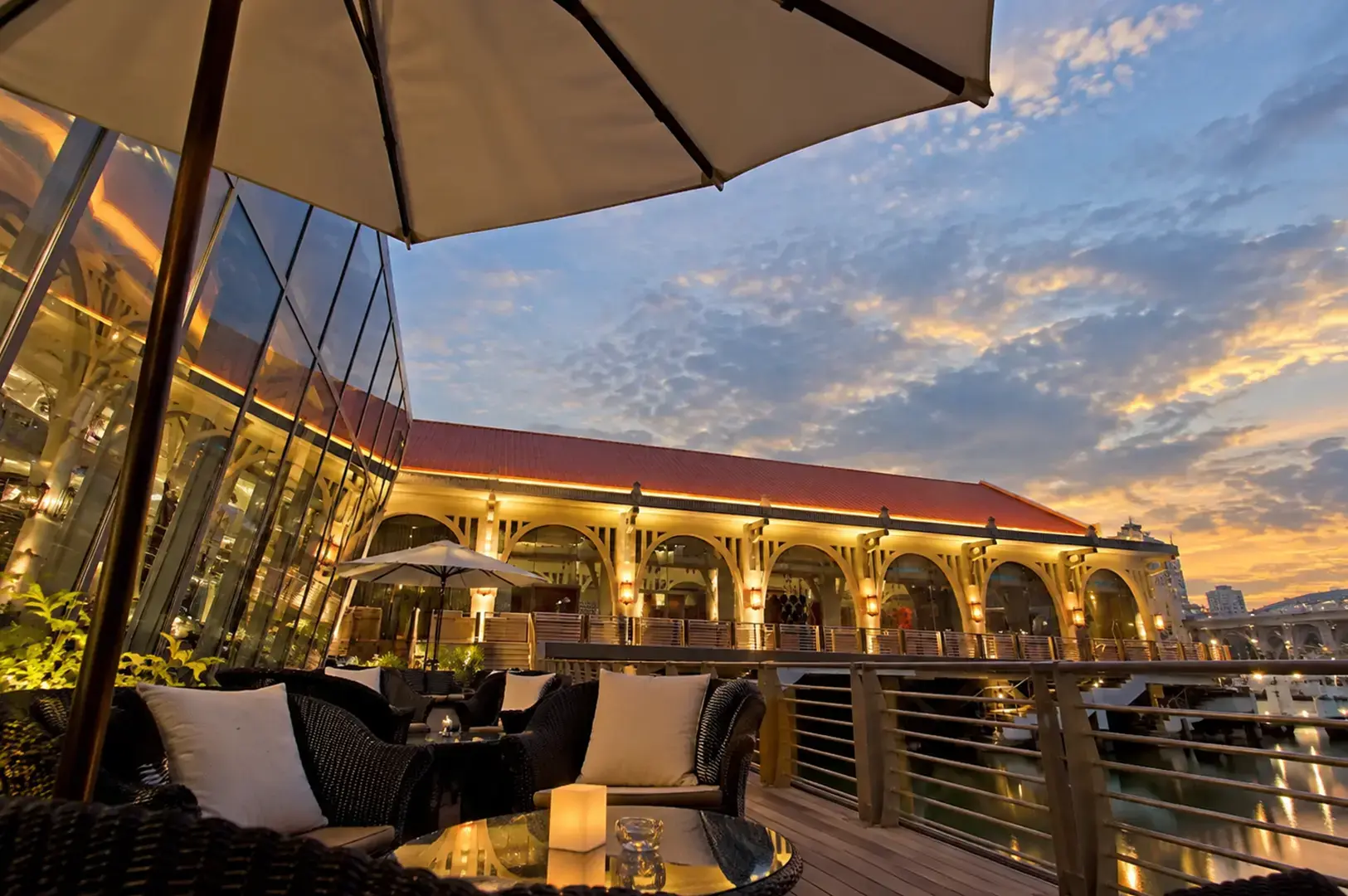
A great hotel for your staycation is not the one with the longest amenity list or the highest price. It is the one where the room, facilities, dining, location, and service fit the break you have in mind. Trends in the hospitality industry, from wellness travel to pet-friendly stays and smart room technology, are also shaping what guests now expect, with wellness tourism projected to reach USD 74.5 billion in 2024 and mobile app controls becoming more common.
Take a few minutes to define what you want, check the details that matter, and read the fine print before you commit. You will spend less on features you do not need and more time enjoying the stay itself.
For honest reviews, practical guides, and our latest hotel and dining finds, visit Stay and Dine SG and start planning your next staycation with us.